Introduction
Have you ever watched a bee dart from flower to flower in your garden, or seen a butterfly gracefully land on a blooming plant? It’s one of those simple joys that makes outdoor spaces feel alive. But beyond the beauty, attracting pollinators like bees, butterflies, and hummingbirds plays a crucial role in our ecosystem. At Classic Landscaping + Nursery, we’ve seen firsthand how incorporating bee-friendly plants can transform a standard yard into a buzzing haven. In this post, we’ll dive into why pollinators matter, share our top plant recommendations, and offer practical tips for planting and maintenance—focusing on tried-and-true traditional methods with a nod to eco-friendly practices.
Why Attract Pollinators to Your Garden?
Pollinators aren’t just pretty visitors; they’re essential workers in nature’s food chain. Did you know that pollinators are responsible for one out of every three bites of food we eat? According to the USDA, they support the production of fruits, vegetables, and nuts by transferring pollen between flowers. Unfortunately, pollinator populations have been declining due to habitat loss, pesticides, and climate changes, with some bee species dropping by up to 50% in recent decades. By planting bee-friendly options, you’re not only boosting your garden’s biodiversity but also contributing to broader environmental health. Imagine your backyard teeming with life—healthier plants, better yields if you grow edibles, and that satisfying hum of activity. Plus, it’s a great way to teach kids about nature or simply unwind after a long day.
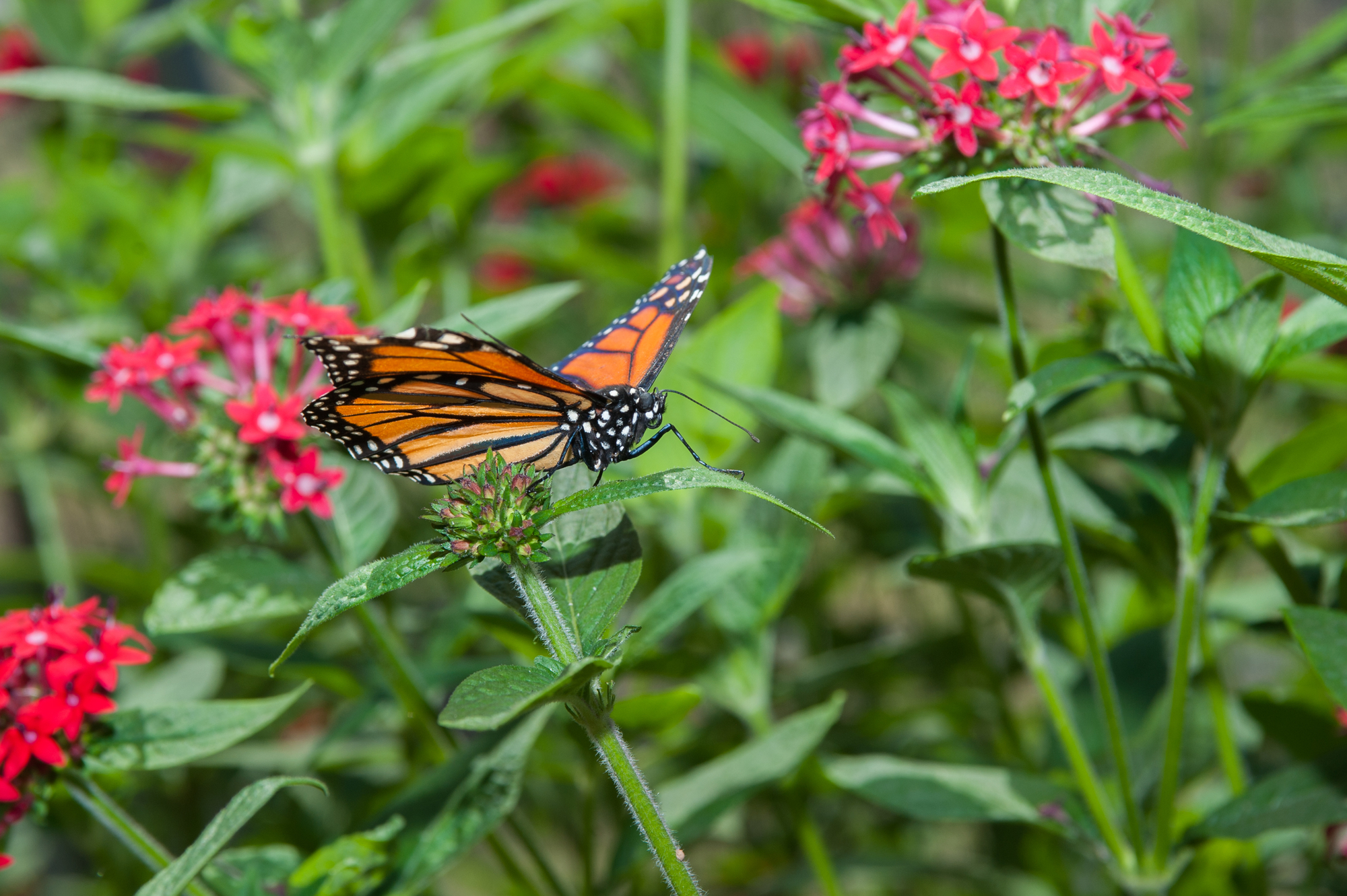
Attracting Pollinators like Bees and Butterflies to Your Garden …
Top Bee-Friendly Plants for Your Landscape
When selecting plants, we always recommend starting with natives or well-adapted varieties that thrive in your local climate. These require less water and maintenance, aligning with traditional landscaping principles. Here’s a curated list of our favorites, drawn from years of experience at the nursery. We’ve focused on perennials, annuals, and shrubs that provide nectar and pollen throughout the seasons.
Lavender (Lavandula spp.) This classic herb is a pollinator magnet with its fragrant purple spikes. Bees adore the abundant nectar, and it’s perfect for borders or herb gardens. Plant in full sun with well-drained soil—traditional methods like spacing plants 12-18 inches apart ensure good air circulation to prevent rot. For an eco twist, lavender is drought-tolerant once established, reducing your water usage. Check out our selection in the plants section for varieties suited to your zone.
Coneflower (Echinacea purpurea) Known for its daisy-like blooms in pink, purple, or white, coneflowers attract bees and butterflies from midsummer to fall. They’re hardy perennials that self-seed, making them low-effort additions. Traditionally, plant them in groups for impact, digging holes twice the root ball’s width and amending soil with compost. Studies show they can increase pollinator visits by up to 30% in urban gardens. Pair them with hardscapes like stone paths for a polished look—explore ideas on our hardscape page.
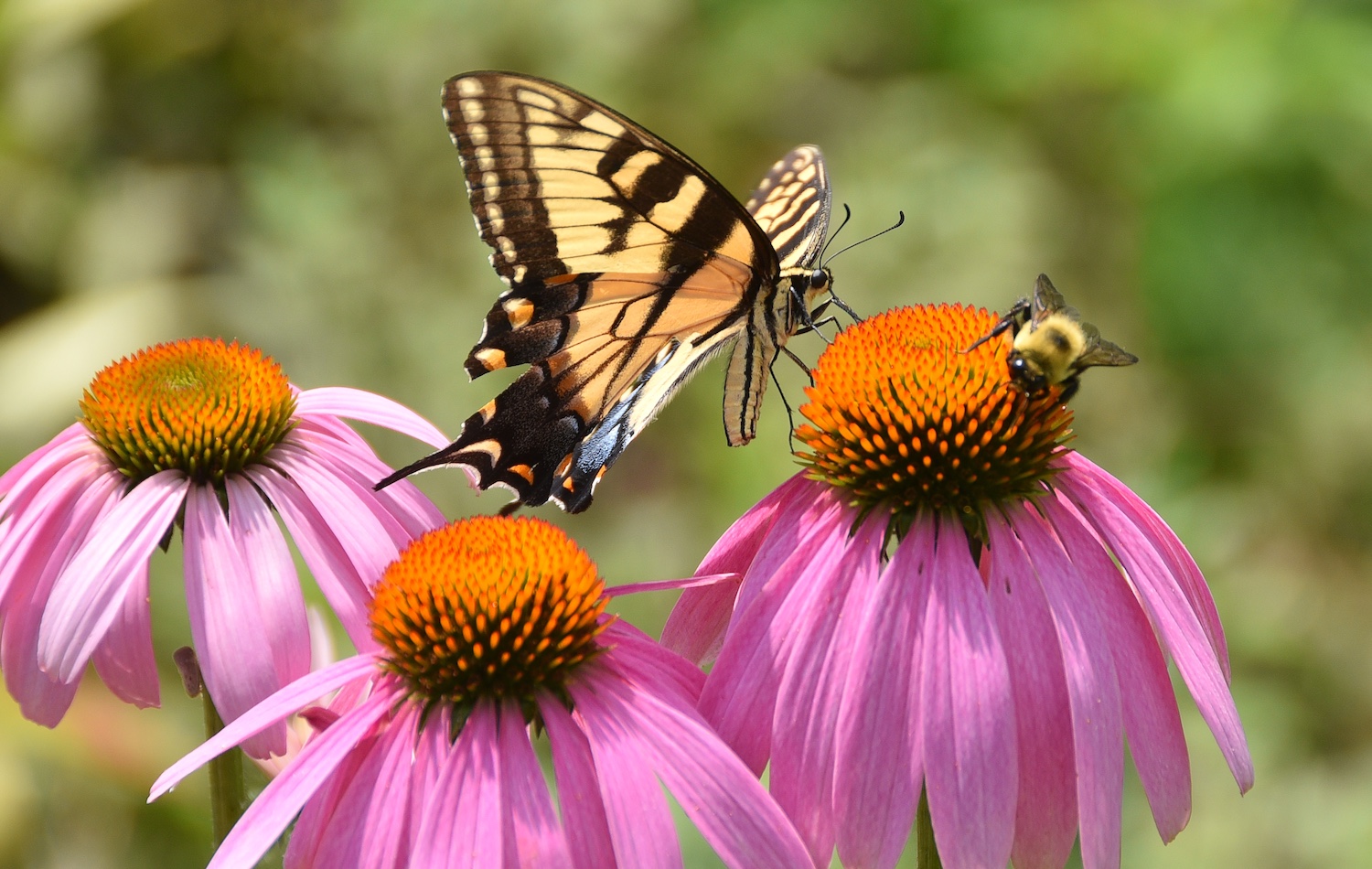
How to Plant a Pollinator Garden – Flower Magazine
Bee Balm (Monarda didyma) With its vibrant red or pink tubular flowers, bee balm lives up to its name by drawing in bees, hummingbirds, and butterflies. It’s a native perennial that thrives in moist, fertile soil. Use traditional planting techniques: prepare beds by tilling in organic matter and mulch to retain moisture. For sustainability, it resists deer and supports beneficial insects, tying into our sustainability practices.
Sunflowers (Helianthus annuus) These cheerful giants are annuals that provide pollen and seeds for birds too. Bees flock to the large, bright heads. Sow seeds directly in the ground after the last frost, spacing them 6-12 inches apart in rows—a classic farming method adapted for home gardens. Opt for native varieties for better pollinator support, as non-natives can sometimes disrupt local ecosystems.
Milkweed (Asclepias spp.) Essential for monarch butterflies, milkweed offers nectar and serves as a host plant for caterpillars. Plant in sunny spots with average soil; traditional clumping helps create habitats. It’s a great eco-friendly choice, promoting biodiversity without much intervention.

Flowers to Attract Bees and Butterflies | Kellogg Garden Organics™
Sage (Salvia spp.) From culinary sage to ornamental types, these plants feature spikes of blue, purple, or red flowers that hummingbirds and bees love. They’re versatile for borders or containers. Traditional care involves pruning after blooming to encourage growth.
Butterfly Bush (Buddleja davidii) This shrub bursts with fragrant panicles that attract swarms of butterflies. Plant in full sun; cut back in spring for bushier growth—a standard landscaping technique.
To maximize appeal, mix heights and colors: tall sunflowers in the back, mid-height coneflowers, and low lavender in front. This creates a layered look that’s both functional and aesthetic.
Planting Tips for Success
Getting started is easier than you think. Begin by assessing your site—most bee-friendly plants prefer full sun (at least 6 hours daily) and well-drained soil. Traditionally, prepare the ground by removing weeds and incorporating compost or aged manure for nutrients. Dig holes to the depth of the root ball, water deeply after planting, and mulch with bark or straw to suppress weeds and conserve moisture.
For an eco-friendly approach, group plants in clusters rather than singles; this mimics natural habitats and makes it easier for pollinators to find food. Avoid chemical fertilizers—instead, use organic options to keep your garden safe. If you’re planning a larger pollinator area, consider our design-build services to integrate these plants seamlessly into your landscape.
Maintenance and Pest Management
Once established, these plants are relatively low-maintenance, aligning with classic landscaping ethos. Water regularly during the first season, then taper off as roots deepen. Prune deadheads to promote more blooms, and divide perennials every 3-5 years to prevent overcrowding.
Pests? Bees and butterflies are natural indicators of a healthy garden, but if issues arise, skip harsh chemicals. Our pest control guide offers traditional methods like hand-picking or companion planting. For ongoing care, check out landscape care services to keep your pollinator paradise thriving.

50+ Bee Friendly Flowers and Trees
In wrapping up, creating a pollinator-friendly garden isn’t just about plants—it’s about fostering a connection with nature. Whether you’re a seasoned gardener or just starting, these bee-friendly choices will bring life and color to your space. Ready to get buzzing? Visit Classic Landscaping + Nursery today to pick up these plants or schedule a consultation. Let’s build a garden that benefits everyone—contact us now!